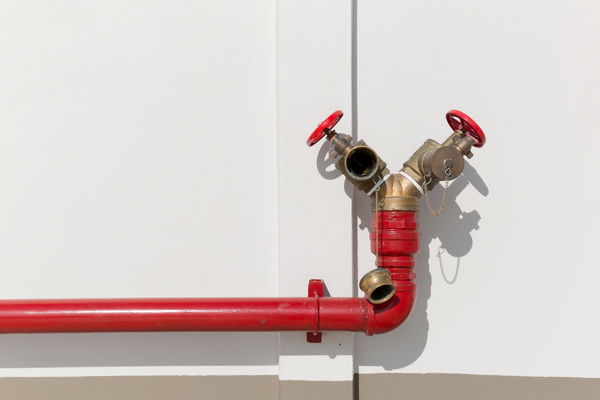
For private fire hydrants, responsibility usually sits with the owner, occupier or party responsible for the site's fire precautions. Article 17 of the Regulatory Reform (Fire Safety) Order 2005 requires the Responsible Person to ensure that relevant fire-safety equipment and devices are subject to a suitable system of maintenance and kept in efficient working order and good repair.
Private hydrants need a planned maintenance regime. BS 9990 is the recognised UK code of practice for non-automatic fire-fighting systems in buildings. It provides the technical benchmark for inspection and testing arrangements. A competent annual test normally includes inspection, flushing, connection checks and recording the hydrant's flow and pressure.
Coordinate with the water supplier. Where hydrants are supplied from the mains, arrangements should be made with the water company before testing. This avoids avoidable disruption and ensures the test is managed safely.
Keep records. A credible record should show the test date and time, the person carrying out the work, results, relevant site conditions, defects found, required follow-up action and the outcome of any retest. These records demonstrate that the site is managing its firefighting water supply properly.
The consequences of non-compliance are serious. A private hydrant that fails when the fire service needs it can delay firefighting and increase the risk to the premises. This can result in enforcement action and invalidate your insurance.
We take the administration out of the process. We provide clear test reports, identify urgent actions and give you a usable maintenance record for your fire-safety file, insurer or facilities-management system.